

Culture & Education
Home – Culture & Education
In our farm we believe learning should be hands-on, fun, and full of discovery. Our events bring children closer to nature, farming traditions, and local culture, helping them connect what they learn to the world around them.
Experience
Planting seeds
Planting seeds introduces basic ideas from Biology in a hands-on way. Kids can see how plants grow, which helps them understand concepts like life cycles, sunlight, water, and soil. Watering a plant regularly will give them a sense of ownership and accountability.
There’s also a strong connection to emotional development. Watching something grow from a tiny seed can be exciting and rewarding, boosting confidence and curiosity. It encourages mindfulness too, kids slow down and pay attention to small changes in their environment.
This can promote better nutrition and awareness of where food comes from.
It helps children connect with nature. In a world full of screens, gardening gives them a chance to step outside, explore, and appreciate the natural world in a tangible way.
Period
(Autumn, Spring, Summer)
Experience
Olives' harvesting
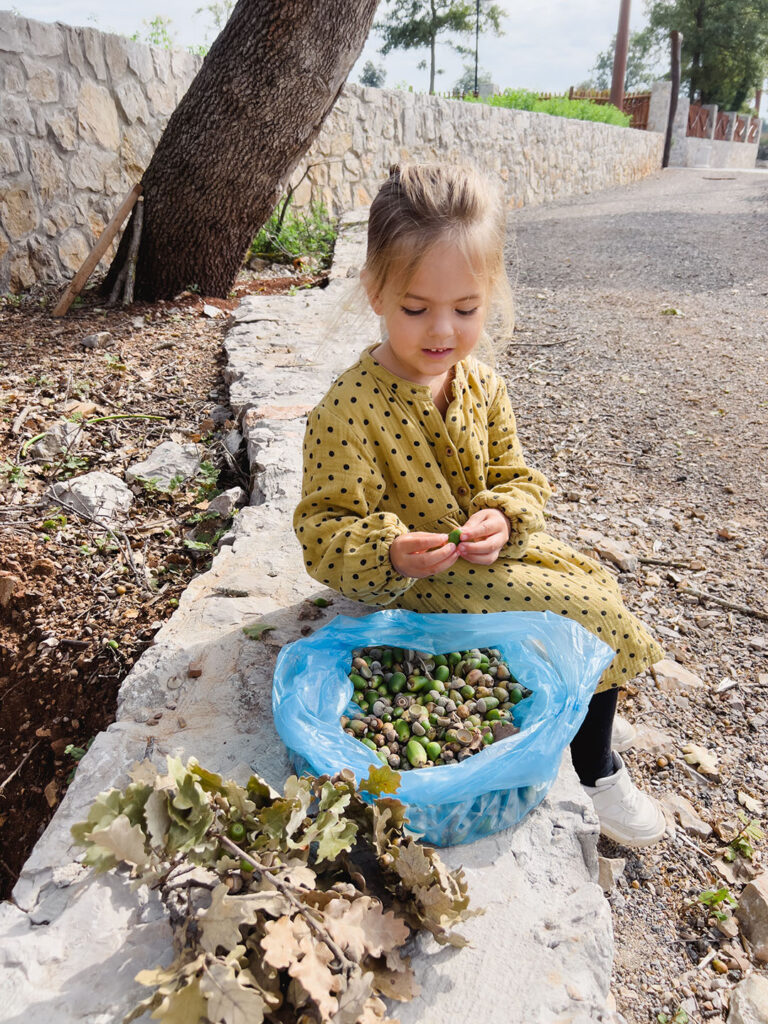
In Our farm we encourage people to participate in olive harvesting as it can be a deeply meaningful experience for children, far beyond just helping out in the fields. It blends learning, culture, and personal growth in a very natural way.
First, it connects children to nature and the rhythms of the seasons. Watching olives grow and then taking part in their harvest helps them understand where food comes from, which is something many kids today are disconnected from. It turns abstract ideas about agriculture into something tangible and memorable.
By participating, children become part of a heritage that has been passed down for generations. This builds a sense of identity and belonging.
On a practical level, it teaches responsibility and patience. Harvesting olives isn’t instant, it requires care, attention, and teamwork. Children learn that good results take time and effort, which is an important life lesson.
It also encourages family bonding. Olive harvesting is often a shared activity, bringing together different generations. Kids get to work alongside parents and grandparents, hear stories, and feel included in something meaningful.
Finally, it can foster respect for food and reduce waste. When children see how much effort goes into producing olive oil, they’re more likely to value it and other foods.
Period
(Autumn)
(Autumn)
Plan your special event in the heart of Sicily.
Contact us to customize your experience at Magamila.
Experience
Olive oil tasting
We belive that after the harvesting the olive oil tasting is very valuable for children, not just as a fun activity, but as a way to shape their health habits, senses, and cultural awareness.
First, it builds sensory awareness. When kids taste different olive oils, they learn to notice flavors like fruity, bitter, and spicy. This strengthens their ability to describe what they experience, much like in basic sensory education. It also helps them become more mindful eaters rather than passive consumers.
There’s also a strong health education component. High-quality extra virgin olive oil is a key part of the Mediterranean diet, which is linked to heart health and overall well-being. Teaching children to recognize good olive oil early can encourage healthier food choices as they grow.
Another benefit is cultural connection. In countries like Italy, olive oil is deeply tied to history, agriculture, and family traditions. Tasting sessions can introduce children to local heritage, farming practices, and respect for food production.
It also encourages critical thinking and curiosity. Kids compare oils, ask why they taste different, and learn about factors like olive variety, harvest time, and processing. This turns eating into an exploratory, educational experience.
Finally, olive oil tasting can promote better eating habits. When children are involved in tasting and choosing foods, they’re often more open to trying vegetables, salads, and other healthy dishes, especially when paired with a flavorful oil they like.
Period
(the whole year)
Experience
Discover how the bees make their work
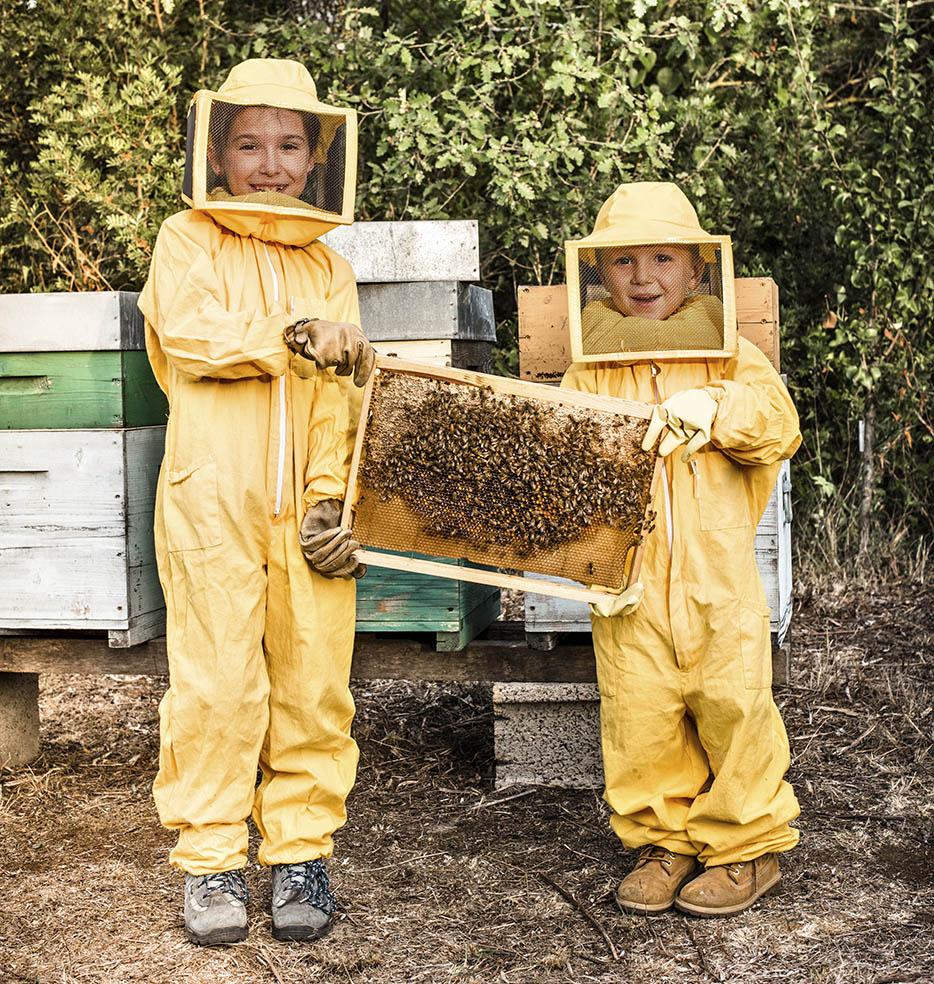
Following the work of bees will be a surprisingly powerful learning experience for children. It’s not just about insects, it opens a window into nature, responsibility, and how our food systems actually function.
First, bees are essential pollinators. Through the process of Pollination, they help plants reproduce, which directly impacts fruits, vegetables, and many crops children eat every day. Seeing this in action makes abstract ideas about food production concrete and memorable.
On a practical level, children can connect bee activity to real farm products like Honey. This creates a direct link between nature and what ends up on the table, encouraging healthier and more mindful eating habits.
Finally, it can inspire environmental awareness. When children learn how sensitive bees are to pesticides, climate, and habitat loss, they begin to understand their role in protecting the planet, early foundations for responsible citizenship.
Period
(Spring)
(Spring)
Experience
Walk in the fields and discover the flowers and vegetables and the edible once
This is a wonderful educational experience for children! A walk through the fields, where they can observe flowers and vegetables, it, is a great way to help them understand nature and the environment.
It also teaches them about what’s edible and what’s not, important knowledge for both their health and their connection to nature.
Period
(the whole year)
Discover More Experiences
Explore all our activities and find the experience that’s right for you.